Do anatomical limitations of off-the-shelf devices still exist?
Endovascular repair of complex pararenal aortic aneurysms can be particularly challenging when severe aortic calcification, narrow visceral aortic anatomy and small, elongated renal arteries coexist. In such cases, anatomical constraints may limit the use of standard off-the-shelf branched devices.
This case presents a 77-year-old woman with a symptomatic pararenal aneurysm requiring urgent treatment, raising important questions about the feasibility of endovascular repair in anatomically challenging circumstances.






A 77-year-old woman presented with acute abdominal pain.
Her medical history included:
- hypertension,
- former smoking
- and left hemiplegia secondary to a previous stroke.
Imaging findings: a complex pararenal aortic anatomy
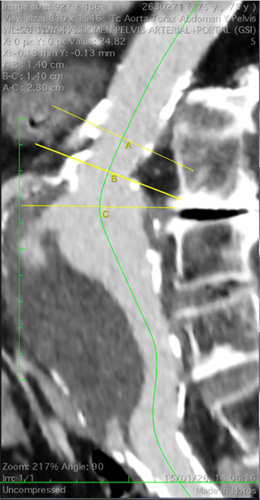
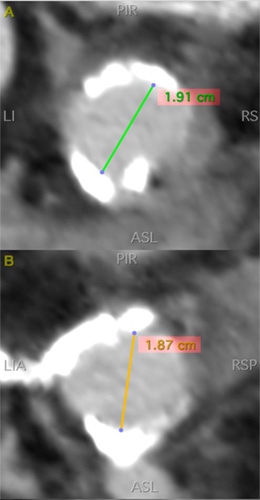
Imaging revealed a symptomatic 74-mm pararenal aortic aneurysm, associated with several challenging anatomical features:
- Severe calcification of the visceral aorta and branch vessel origins.
- A narrow visceral aortic lumen measuring just 19 mm.
- An infrarenal aortic diameter of 12 mm.
- Elongated renal arteries measuring 5 mm in diameter.
Get the latest clinical cases and breaking news delivered straight to your inbox!
