Dr Ruiz Chiriboga and Dr Lelij discuss the evolving role of embolisation
Embolisation is playing an increasingly important role in vascular therapy, with indications now extending far beyond the management of acute bleeding.
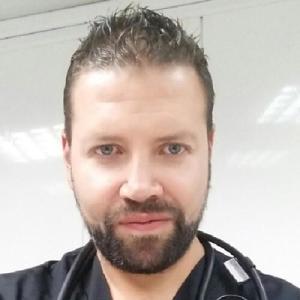
In this interview, Dr Diego Ruiz Chiriboga speaks with Dr Rutger Lelij about the evolution of embolisation and the practical considerations that guide treatment in everyday clinical practice.
The discussion begins with the expanding role of embolisation, from its origins as a life-saving technique for bleeding control to its growing use in the treatment of oncological and other chronic conditions.
Dr Lelij then explains the key clinical and anatomical factors that influence patient selection, highlighting the importance of haemodynamic assessment and CT imaging for procedural planning.
The interview also explores how to choose the most appropriate embolic agent, emphasising the value of understanding the strengths and limitations of the different materials available rather than relying on a single algorithm.
Dr Lelij also shares his approach to managing type II endoleaks, discussing the factors that help determine whether surveillance or intervention is the most appropriate strategy, before outlining his preferred follow-up protocol.
Finally, the conversation turns to one of the most significant advances in embolisation practice: the use of high-quality imaging and 3-D image fusion to improve procedural planning, navigation and treatment accuracy.
Watch the full interview to discover Dr Lelij's practical insights and expert perspective on the evolving role of embolisation.

Get the latest clinical cases and breaking news delivered straight to your inbox!
