Cases and resources in vascular techniques
This section provides a selection of cases and resources provided by experts in vascular techniques.
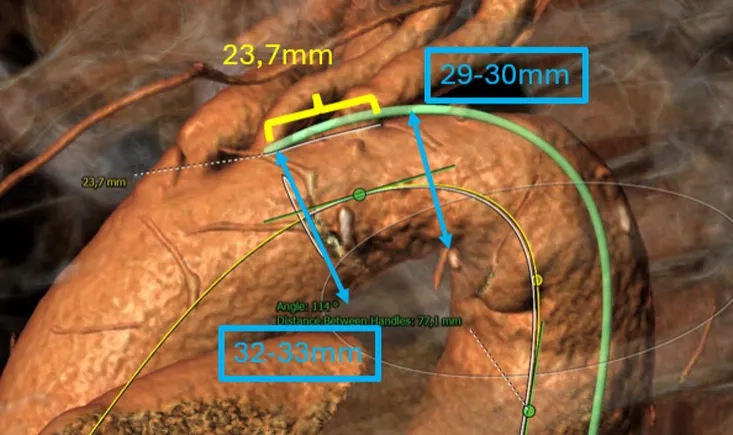
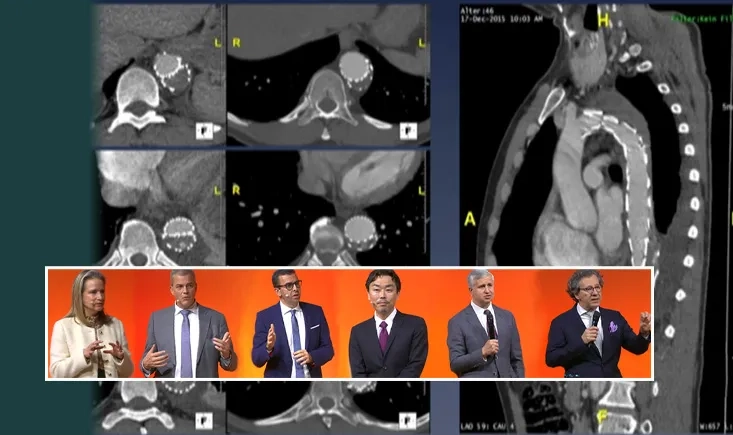
A 65-year-old male with multiple comorbidities presents with a 58 mm thoracic aortic aneurysm and a severely kinked, diseased aorta. This case reviews the key anatomical challenges, landing-zone configuration, access considerations, and protective strategies needed when planning a patient-tailored endovascular repair.
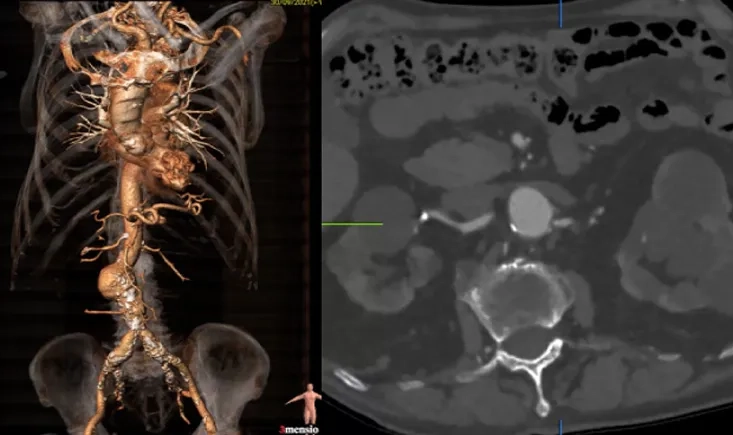
An 80-year-old patient faces a recurrent type II endoleak after EVAR, with his aneurysm sac continuing to grow despite prior interventions. Explore the imaging and procedural challenges in managing this stubborn complication—and see what comes next.
This session explores the patient journey through the case of a 40-year-old woman with chronic pelvic pain, highlighting the diagnostic challenges of pelvic venous disorders. It reviews classification and pathophysiology, discusses endovascular treatment options for conditions such as Nutcracker syndrome and non-thrombotic iliac vein lesions, and examines the role of ovarian and internal iliac vein embolisation, with a focus on outcomes, technical considerations, and patient selection.
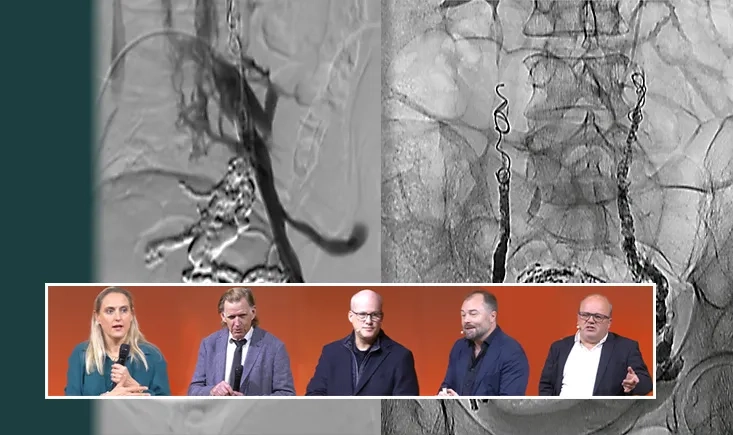
This PVI 2025 session presents practical strategies for managing complex aortic dissections. Learn how to occlude the false lumen, detect and treat malperfusion, and handle technical challenges. Cases include distal ischemia, BEVAR, false lumen embolization, transections, and infected TEVARs.
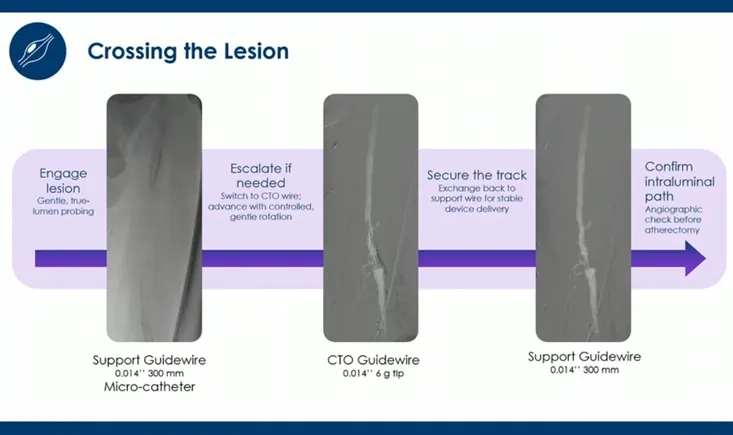
This PVI 2025 symposium reviews a complex SFA intervention in a 70-year-old patient with progressive PAD and prior vascular surgery. Imaging findings, treatment options, and the rationale for Jetstream atherectomy followed by paclitaxel DCB are discussed, along with key procedural steps and outcomes.
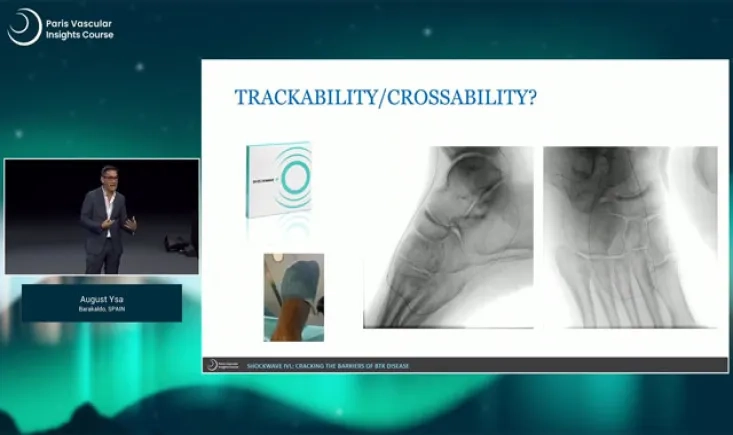
This PVI 2025 symposium explores the role of intravascular lithotripsy (IVL) in below-the-knee (BTK) disease, focusing on heavily calcified lesions. The session reviews how IVL enables low-pressure angioplasty while improving vessel compliance and safety. Through a real-life case, the session discusses when IVL is most useful in BTK/BTA interventions, particularly when scaffolding options are limited. The E8 catheter is highlighted for its improved trackability and ability to treat longer, complex lesions.
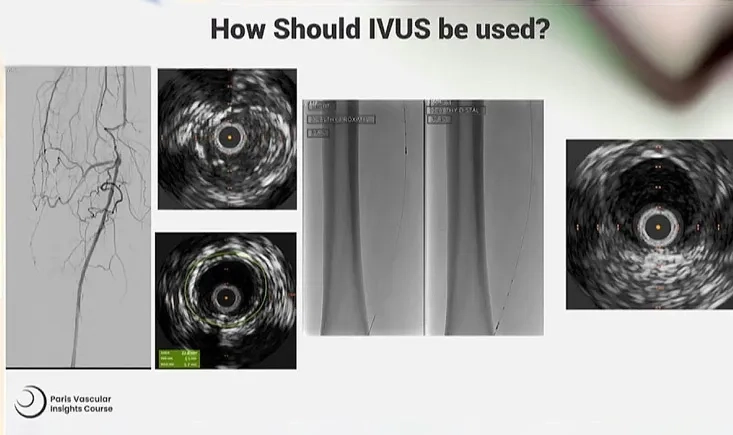
This PVI 2025 symposium explores the role of IVUS in peripheral arterial disease, from understanding vessel biology and mechanisms of failure to reviewing the growing evidence supporting IVUS use, particularly in CLTI. Through expert insights and real-life, IVUS-guided cases, the session shows how imaging can directly inform vessel preparation and treatment decisions in daily practice.
This PVI 2025 session showcases how vascular care is delivered across the Asia-Pacific region. It covers research regulations in New Zealand, DVT management in Singapore, CFA treatment in Japan, acute lower limb ischemia in Malaysia, pulmonary embolism repair in India, real-world Ranger DCB outcomes in CLTI patients, and aortic dissection management in China.
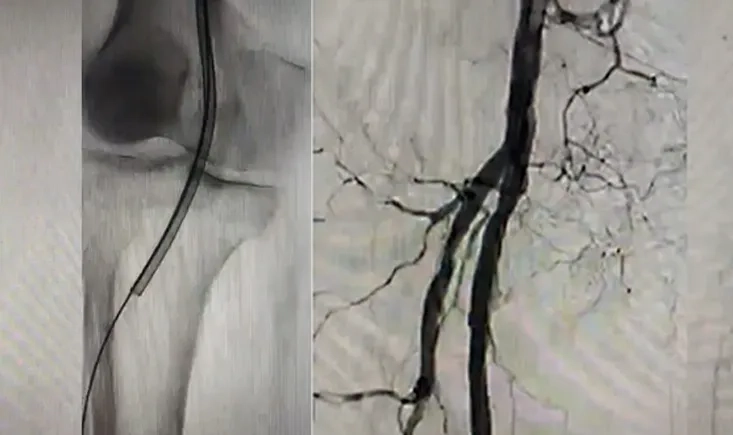
Dr. Prakash Krishnan breaks down bioresorbable scaffolds after the LIFE-BTK trial. Discover how these drug-eluting scaffolds may help in dissections and recoil, offering temporary support without compromising future treatments. Challenges remain—long lesions, above-the-ankle use, and vessel prep are still under investigation. Watch now to see what this means for complex CLTI care!
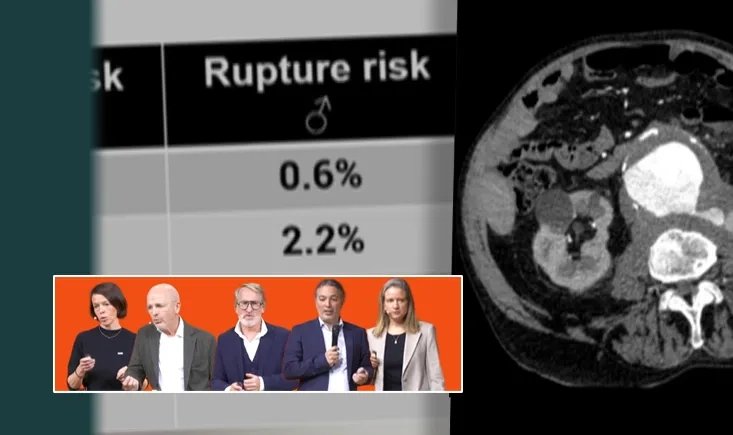
The French and German Vascular Societies share their perspectives on asymptomatic carotid stenosis management, AAA repair thresholds and the challenges of training future vascular surgeons.